
What is Custom Die Casting: 4 Things You Should Know
Today, more industries need high-precision metal parts to keep up with growing demands. Industries like automotive, aerospace, and consumer electronics require metal components that are strong, detailed, and repeatable while also meeting high-quality standards.
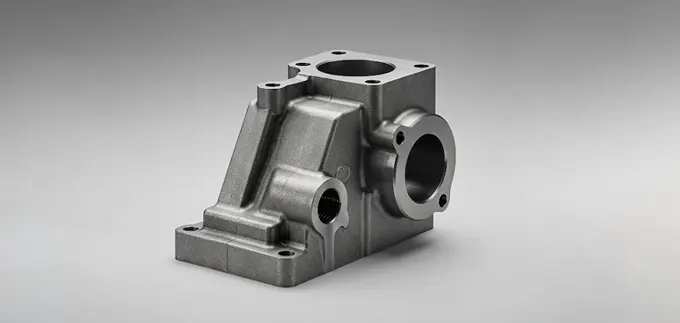
This is where custom die casting plays an important role. If you’re thinking about die casting for your next project, understanding how it works and what it provides might help you gain a competitive advantage. That said, here are 4 important things to know about custom die casting.
The Basics: What Is Custom Die Casting?
Custom die casting is a metal production method in which molten metal is forced into a steel mold or “die” under high pressure. These molds are carefully made to match the customized shape, size, and surface finish needed for the final part.
With special specifications, such as uncommon forms, elaborate details, or industry-specific functionality, custom die casting focuses on establishing innovation and reliable quality for companies and manufacturers in various industries.
Hot Chamber vs. Cold Chamber Die Casting
Custom die casting is classified into two types: hot chamber casting and cold chamber casting. Each approach is suitable for a variety of materials and demands. Here’s the breakdown:
1. Hot Chamber Die Casting
This technique uses a built-in furnace to keep the metal molten. The metal is pulled directly into the die by a hydraulic piston, with injection pressure between 1,000-5,000 PSI. Hot chamber casting is typically faster and more efficient, especially good for metals with low melting points, such as zinc, magnesium, etc.
2. Cold Chamber Die Casting
In cold chamber die casting, molten metal is ladled into a chamber before being injected into the die. This approach is applied to metals having higher melting points, such as aluminum and copper alloys and higher injection pressure ranging from 2,000 to 20,000 PSI. While it takes somewhat longer than hot chamber casting, it is necessary for generating stronger, more heat-resistant components.
3. Comparison of the Hot and Cold Chamber Die Casting
| Feature | Hot Chamber Die Casting | Cold Chamber Die Casting |
|---|---|---|
| Furnace Involvement | Yes | No |
| Materials Selection | Materials with Lower Melting Point (E.g. Zinc, Magnesium) | Materials with Higher Melting Point (E.g. Aluminum, Copper Alloys) |
| Melting Occurrence | Inside the Machine | Outside the Machine |
| Energy Consumption | Higher Consumption | Less Consumption |
| Production Capacity | Low-Volume | High-Volume |
Common Materials Used in Custom Die Casting
Choosing the right material is very important to achieving the desired performance and quality. Some of the most commonly used materials in custom die casting include:
- Aluminum Alloys: Lightweight, corrosion-resistant, and strong, which makes them ideal for automotive and aerospace applications.
- Zinc Alloys: Great for intricate detailing and thin walls and is commonly used in consumer products.
- Magnesium Alloys: Known for being lightweight and durable.
Why Steel Can’t Be Die Cast?
Steel is a commonly used metal in manufacturing. However, die-casting steel is not commonly processed due to its low corrosion resistance and high melting points, making it difficult to die cast efficiently.
The Industries That Benefit Most from Custom Die Casting
Many industries rely on custom die casting to produce high-performance components. Some of the top industries include:
1. Automotive
Engine parts, transmission housings, and structural elements are all made using custom die casting in the automotive industry. It is perfect for fulfilling durability and safety requirements due to its strength and accuracy.
2. Consumer Products
Die casting allows manufacturers to create lightweight, visually pleasing parts with little machining, such as power tools and kitchen appliances.
3. Aerospace
In aerospace, weight reduction and performance are extremely important. Custom die cast parts offer the structural integrity and dimensional accuracy needed for complex aircraft components.
Why Choose RapidCalib for Custom Die Casting?
At RapidCalib, we specialize in providing high-quality and custom die casting services tailored to your exact specifications. Our advanced manufacturing skills help your demands be met with complex, highly-precise parts quickly and accurately, with ±0.05mm for standard parts and up to ±0.01mm for more demanding usage.
With years of expertise in prototype and mass manufacturing, we support a wide range of materials, including aluminum, zinc, and specialty alloys, to meet your industry’s requirements with 24/7 technical support.
Contact us today to satisfy your custom die casting needs!
