
Medical Devices
The medical device industry requires extremely high standards of precision, safety, and reliability. Components must meet strict regulatory requirements while ensuring stable performance in clinical applications. Manufacturing processes must focus on dimensional accuracy, biocompatibility, surface quality, and repeatability.
Rapid prototyping plays an important role in medical device development, supporting design verification, functional testing, and product iteration. Advanced precision manufacturing technologies help accelerate medical product innovation while maintaining strict quality control and regulatory compliance.
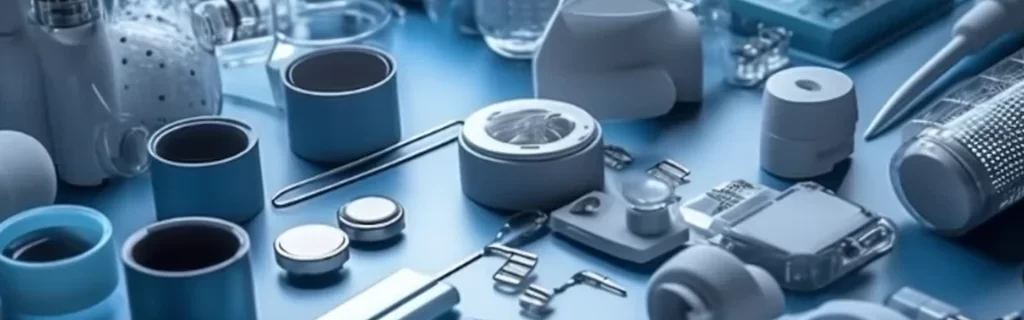
What kind of medical parts can we make?
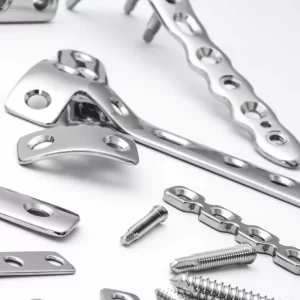
The medical and healthcare industry requires a broad range of parts and prototypes made from a range of materials. These include parts that are expected to make contact with the human body and those that are used in machinery and equipment used by medical professionals. Typical requirements include:
- Quality control via on-machine inspection and/or CMM
- Tight tolerances for critical parts and assemblies
- Materials that are biocompatible, non-toxic, or sterilizable
Our Manufacturing Capabilities
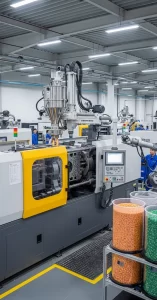
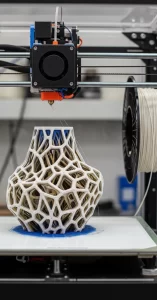
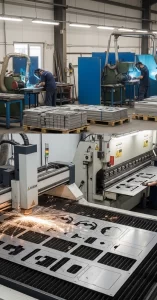
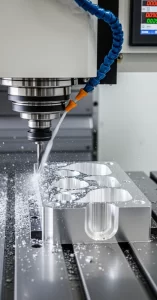
Medical device manufacturing requires extremely high precision, reliability, and strict quality standards to meet the demanding requirements of the healthcare industry. Advanced manufacturing technologies are used to produce medical device components for design validation, structural optimization, and functional testing. Medical device rapid prototyping and custom manufacturing services include CNC machining, injection molding, sheet metal fabrication, and 3D printing, enabling the production of complex geometries and high-precision parts. The manufacturing process emphasizes dimensional accuracy, surface finish, and material stability while supporting fast turnaround to accelerate medical device development and engineering verification.
Typical Medical Devices
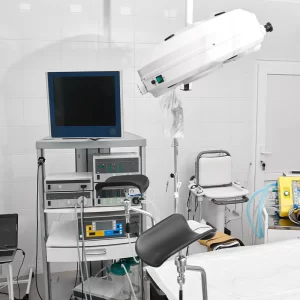
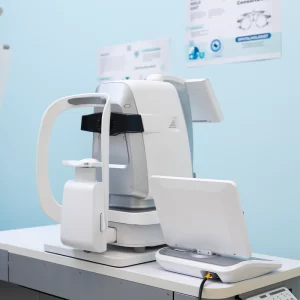
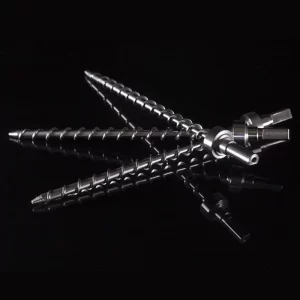
From fluid management systems and drug delivery devices to respiratory assist devices, many medical devices consist of multiple, often complex, components. Whether for small-batch prototyping or mass production, manufacturing these components requires a manufacturer with the necessary capacity and expertise. Whether it's precision-machined new electronic device components or sheet metal fabricated stainless steel trolleys, we can meet your order requirements.


Medical Devices Materials
We offer a wide selection of materials. Below is a list of some commonly used materials in aerospace projects. Contact us to learn more about our materials.
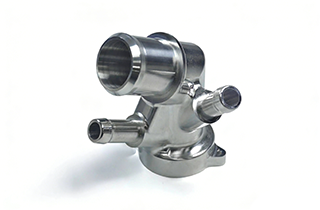 | 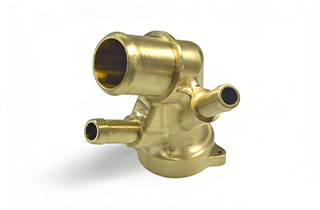 | 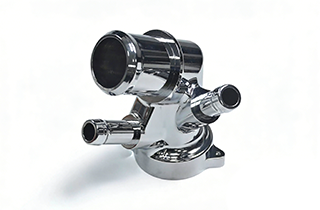 | | 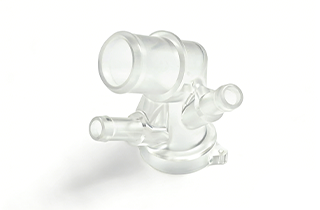 |
| Aluminum | Copper | Stainless steel | Titanium | Plastic |
| Machinable, strong, range of grades | Excellent conductivity, corrosion-resistant, precision machining | Strong, corrosion-resistant, range of grades | Lightweight, temperature-resistant | Lightweight, chemical-resistant, high machinability |
Surface Finishing of Medical Devices
We offer a variety of high-quality surface treatment processes. We have only listed some commonly used options. Contact us for more surface treatment solutions.
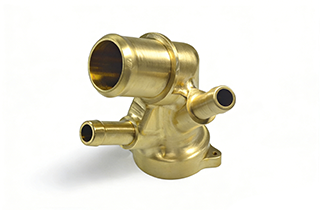 | 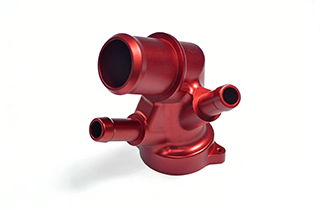 | 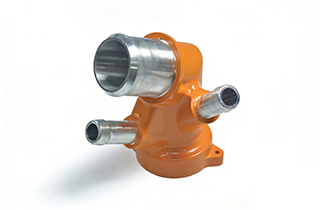 |  |  |
| Sandblasting | Anodizing | Electrostatic spraying | Polishing | Plating |
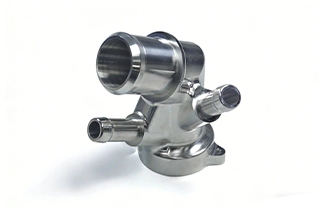
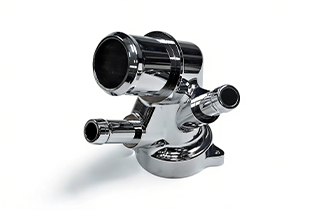
| After sandblasting treatment, the surface of the parts presents a uniform matte texture with a fine, consistent finish. It is mainly used for visual and aesthetic applications, improving appearance and surface uniformity, and can also serve as a base for subsequent coating, painting, or anodizing treatments. | Anodizing improves corrosion resistance, increases surface hardness and wear resistance, and protects metal components long term. It is widely used in mechanical parts, precision instruments, aerospace, and automotive applications where durability, strength, and reliable surface performance are essential. | Electrostatic spraying is a coating process in which a free-flowing dry powder is applied to a surface. Unlike traditional liquid coatings that depend on solvent evaporation, powder coatings are electrostatically sprayed and then cured under heat or UV light to form a durable, uniform finish. | The polishing range spans from Ra 0.8 to Ra 0.1, depending on surface requirements. This finishing process uses abrasive materials to refine and smooth part surfaces, adjusting gloss levels as needed, resulting in either a high-luster, mirror-like appearance or a softer, uniform matte finish. | Electroplating is a surface treatment process that uses an electric current to reduce and deposit metal cations onto a substrate. This coating enhances surface protection, improves appearance, increases wear resistance, and effectively prevents corrosion caused by rust and other environmental factors. |
Why Choose Medical Devices at RapidCalib ?
RapidCalib collaborates with leading medical device manufacturers to provide high-quality medical prototype manufacturing and custom component solutions. Supported by a robust quality management system and advanced in-house production capabilities, every component is manufactured to meet strict medical safety and performance standards for reliable clinical application.
Reliable Medical Component Manufacturing
Get a Quote
Our technicians have extensive experience and expertise in the materials used for medical device prototyping. We are dedicated to continuously increasing the production capacity of custom medical device prototypes to serve various healthcare applications, including
- Fast response within 12–24 hours
- Professional engineering support
- Design for manufacturability (DFM) feedback
- Competitive pricing for prototypes and production
- Strict quality control and inspection
- Global shipping and reliable delivery
