
What is Die Casting?
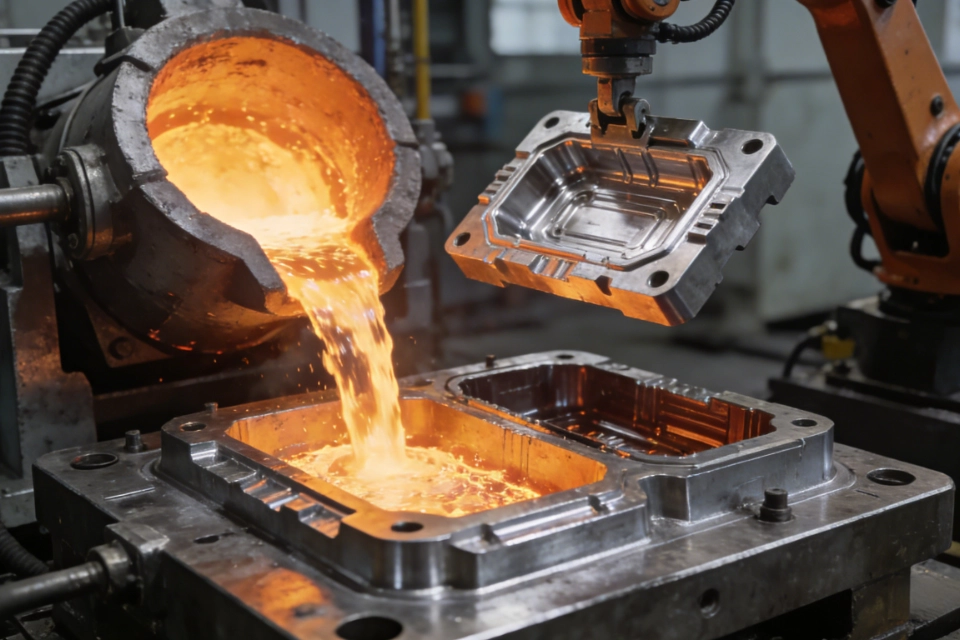
Die casting is a metal manufacturing process that injects molten metal into hardened steel molds under high pressure to create complex and precise parts. It is widely used in industries such as automotive, aerospace, electronics, and industrial equipment due to its excellent dimensional accuracy, smooth surface finish, and high production efficiency.
Custom Die Casting Services for Precision Metal Parts
RapidCalib provides high-precision die casting services for aluminum, zinc, and magnesium components. From prototype development to mass production, we deliver reliable metal parts with tight tolerances, fast lead times, and consistent quality.
| Capability | Specification |
| Tolerance | ±0.01–0.05 mm |
| Min wall thickness | 0.8 mm |
| Lead time | 3–15 days |
| Production volume | Prototype to mass production |
| Materials | Aluminum / Zinc / Magnesium |
| Post-processing | CNC machining / surface finishing |
Types of Die Casting Processes
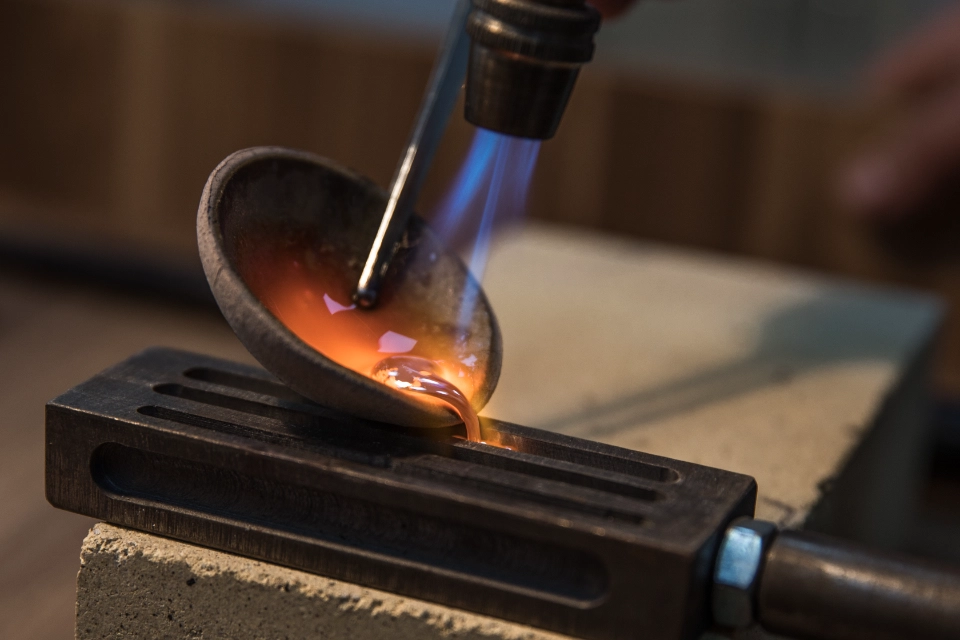
Hot Chamber Die Casting
Hot chamber die casting is a process that uses low-melting-point alloys to melt the metal through a gooseneck into the mold at injection pressures of 1,000 - 5,000 psi. Suitable for mass production of relatively complex parts.
This process is suitable for zinc alloys, lean alloys, copper and other low melting point alloys.
Features:
- Fast production cycle
- High efficiency
- Suitable for zinc and magnesium alloys
Cold Chamber Die Casting
A die casting for high melting point alloys that helps reduce heat in the machine and solves corrosion problems in machine parts and related components by passing the metal through a shot chamber into the mold at pressures of 2,000 to 20,000 psi.
This process is mainly used for high melting point alloys such as aluminum, magnesium, some copper and iron alloys.
Features:
- Suitable for aluminum alloys
- Higher strength components
- Larger part capability
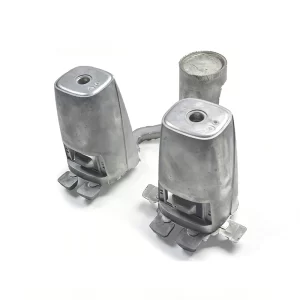
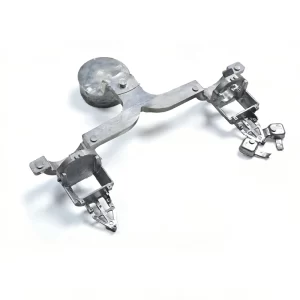
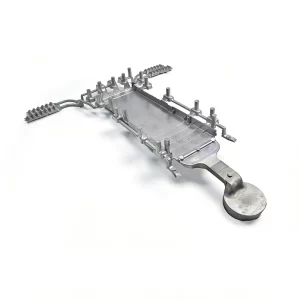
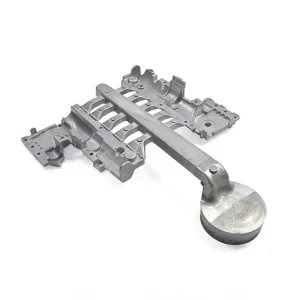
Case Showcase
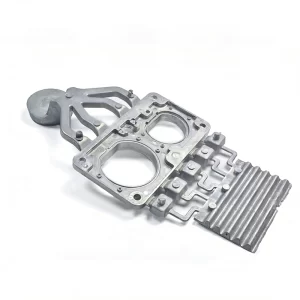
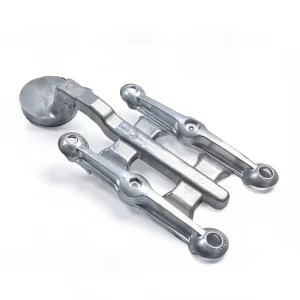
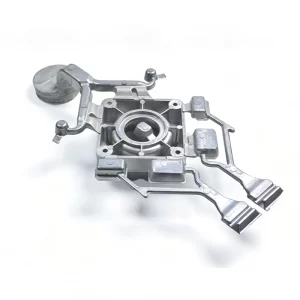
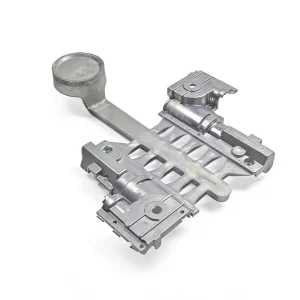
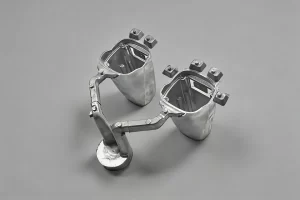
Our 5 axis machining portfolio reflects extensive experience in multi-axis manufacturing for demanding industries. Each project represents precise engineering execution and controlled production processes.
Materials for Die Casting
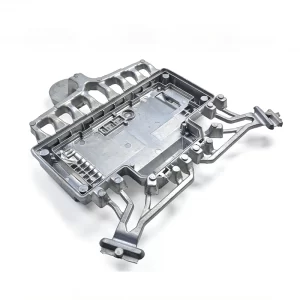
Our die-casting service offers a variety of materials for you to choose from. The choice of material depends on the intended use of your product. If you have specific material requirements, please let us know and we will customize our service to your needs!
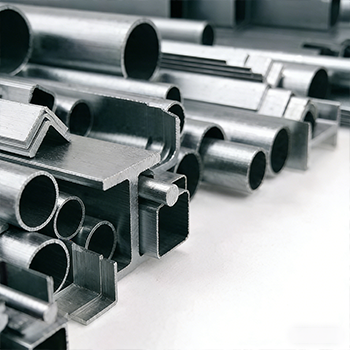
Aluminum Alloys
Aluminum offers excellent strength-to-weight ratio, corrosion resistance, and thermal conductivity, making it ideal for lightweight structural components.
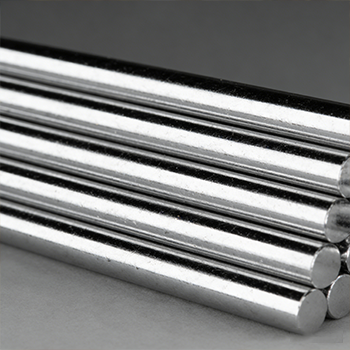
Zinc Alloys
Zinc provides excellent dimensional accuracy and smooth surface finish, making it suitable for small, complex, and high-volume precision parts.
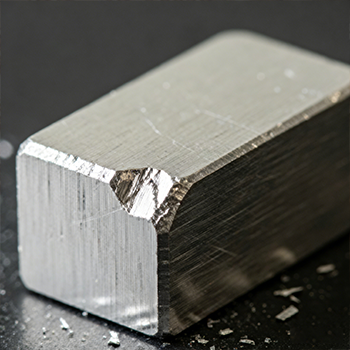
Magnesium Alloys
Magnesium is very lightweight, with high strength-to-weight ratio and good machinability, used in electronics, automotive, and aerospace parts.
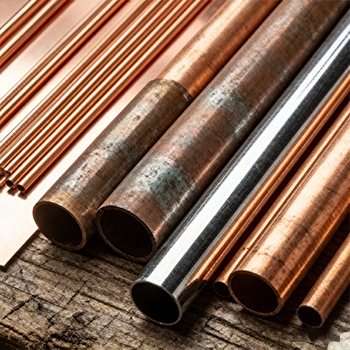
Copper Alloys
Copper alloys offer high strength, good wear resistance, and excellent thermal and electrical conductivity for high-performance specialized components.
Surface Finishing Options
To improve durability and appearance, we provide:
| Powder Coating: Applies a durable protective coating with strong corrosion resistance and decorative finish. | Anodizing: Enhances corrosion resistance and increases surface hardness for aluminum parts. | Polishing: Improves surface smoothness and enhances the appearance of metal parts. |
| Sand Blasting: Creates a uniform matte texture and removes surface imperfections. | Electroplating: Deposits a metal layer such as nickel or chrome to improve wear and corrosion resistance. | Chromate Conversion Coating: Improves corrosion resistance and enhances paint adhesion. |
| E-Coating: Electrophoretic coating providing uniform corrosion protection. | Passivation: Improves corrosion resistance for certain metal alloys. | Brushing: Creates a fine linear texture on the surface for decorative finishes. |
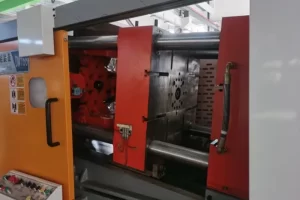
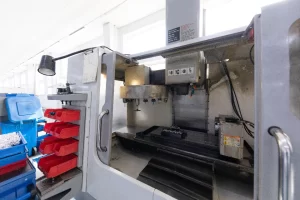
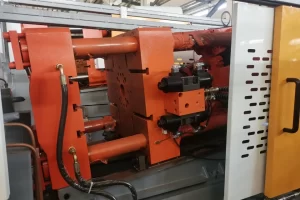
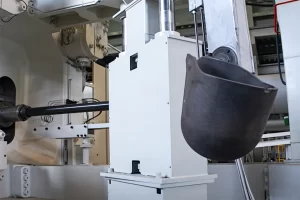
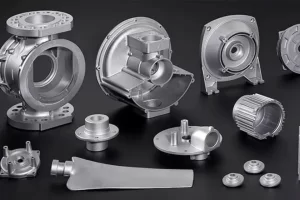
Our Machinery & Machining Showcase
Discover our modern machine shop equipment and finished components, reflecting our commitment to precision, efficiency, and reliable production performance.
Industries We Serve
Our Die Casting services are widely applied in:

Aerospace components
Provides lightweight and high-strength structural components that meet strict performance and reliability requirements.
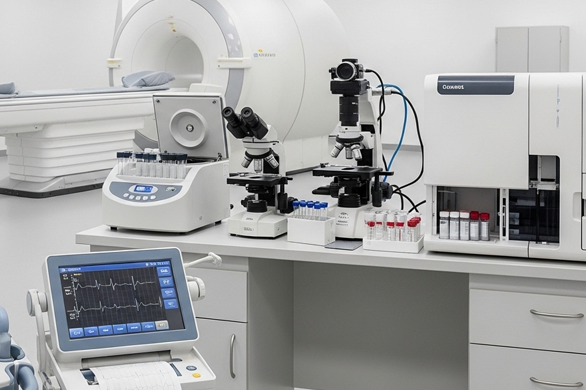
Medical Device Parts
Produces precision metal housings and structural parts for medical devices requiring stable mechanical properties.
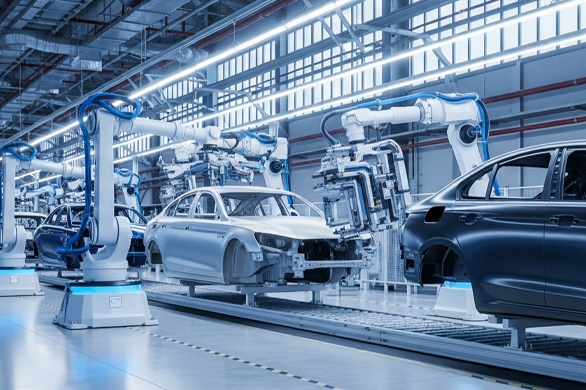
Automotive Precision parts
Die casting is commonly used to manufacture engine housings, transmission components, mounting brackets, and structural metal parts for modern vehicles.
Electronics Industry
Suitable for heat sinks, device enclosures, and precision connectors used in consumer electronics and communication equipment.

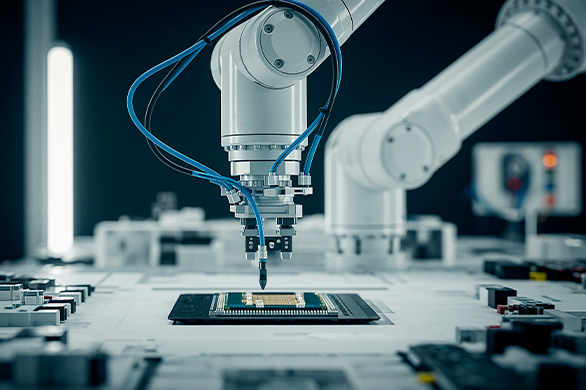
Robotics Machinery
Used in manufacturing durable components such as pump parts, valve bodies, and mechanical system structures.
RapidCalib Die Casting Process
Each project is reviewed by engineers before production to reduce manufacturing risks.
Frequently Asked Questions
1. What die-casting processes are available?
2. What materials are suitable for die casting?
3. Which industries use die casting parts?
4. What precision can die casting achieve?
5. What products can be made by die casting?
Discuss Your Project with Our Engineers

Precision Manufacturing
RapidCalib provides die casting services with tolerance control up to ±0.05mm, and supports ultra-precision requirements as tight as ±0.01mm for advanced applications.

Complex Design Processing
Advanced die-casting facilities can manufacture intricate and complex components from various materials, ensuring product specifications meet customized engineering and performance requirements.

Engineering Support
Professional engineering support is available throughout the project cycle, providing technical guidance, design optimization, and production consultation to ensure reliable die-casting results.

Quality Assurance
Strict process control and inspection standards guarantee stable dimensional accuracy, excellent surface quality, and high consistency in die-casting production.
