Product Analysis & DFM
Our engineers review part design and perform design-for-manufacturing analysis to optimize moldability.

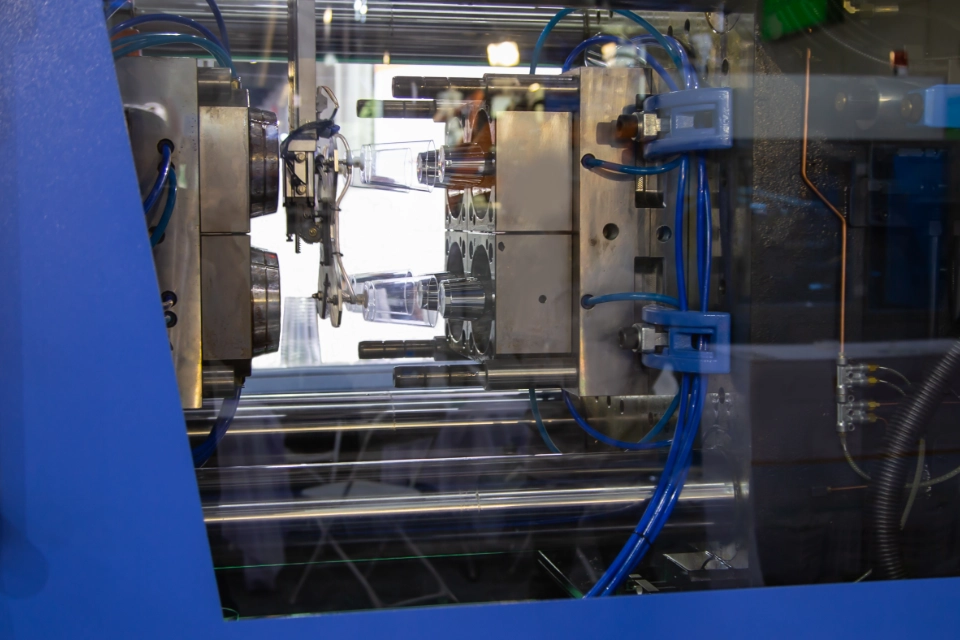
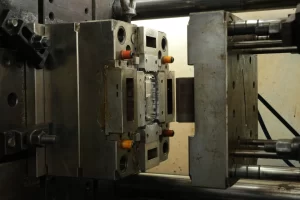
Injection mold making is the process of designing and manufacturing precision molds used in plastic injection molding. These molds are typically produced from hardened steel or aluminum and are engineered to create plastic parts with high dimensional accuracy and repeatability.
At RapidCalib, we combine advanced machining technologies such as CNC milling, EDM, and precision grinding to manufacture high-performance molds capable of supporting both prototype development and large-scale production.
RapidCalib delivers a full range of mold tooling solutions to meet different production needs.
Fast and cost-effective molds for product validation and design testing.
Used for low-volume production before full-scale manufacturing.
RapidCalib online injection molding service development to full-scale production tooling, RapidCalib delivers custom injection molding solution designed for precision and efficiency. Our capabilities include injection mold tooling, over-molding and insert molding. With advanced facilities and an experienced team, we ensure high-quality results for every order. Send us your design files to receive a free quote and expert guidance, let RapidCalib help you bring your ideas to life with cost-effective and reliable injection molding solutions.
Injection mold tooling is essential for mass production, involving precision machining and assembly of durable steel or aluminum molds to ensure accurate, repeatable parts and efficient manufacturing.
Over-molding integrates multiple materials into a single part during injection molding, enhancing product functionality, durability, and aesthetics while enabling soft grips, multi-color designs, and improved usability.
Selective laser sintering (SLS) is a 3D printing process that uses heat to fuse powder materials into high-resolution parts, using thermoplastic powders or metal powders for direct metal laser sintering.
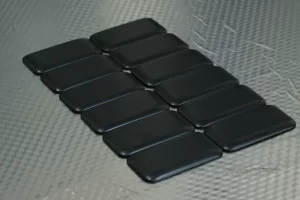
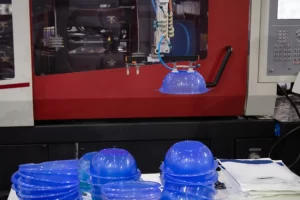
RapidCalib injection molding services offer a wide range of precision-molded parts. Each component is manufactured with high accuracy, durability, and consistent quality to meet diverse industry applications and specific project requirements. Discover the possibilities for your next project with RapidCalib.
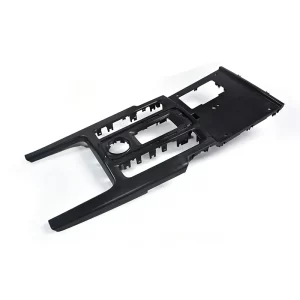
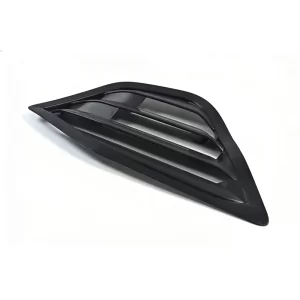
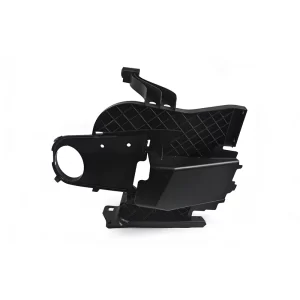
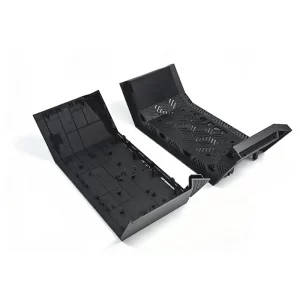
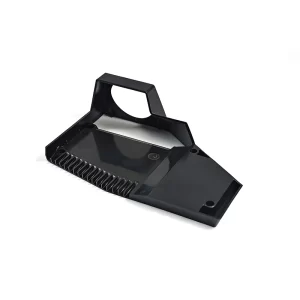
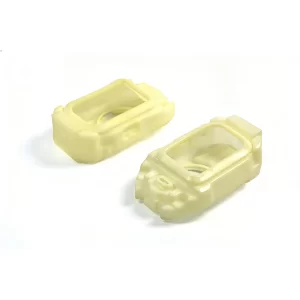
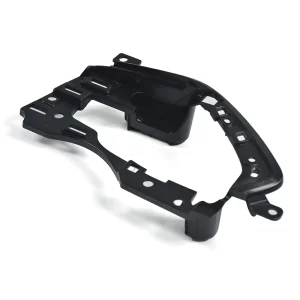
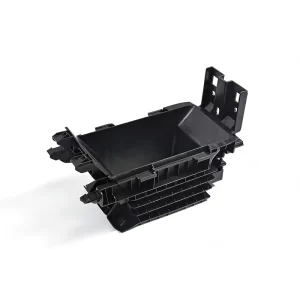
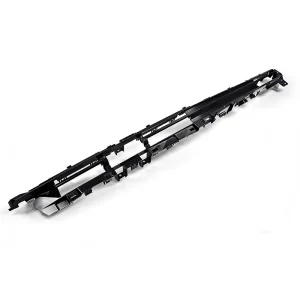
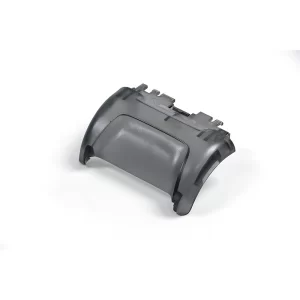
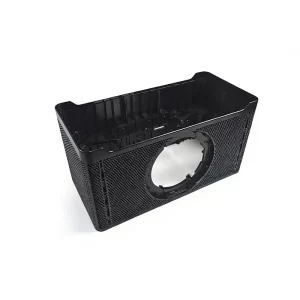
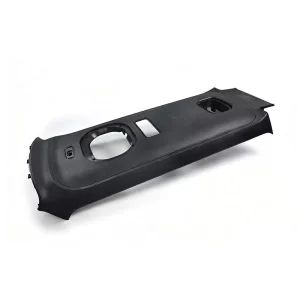
RapidCalib uses a variety of high-quality mold steels and alloy materials to ensure mold durability, dimensional stability, and long service life. The selection of mold materials depends on factors such as production volume, plastic resin properties, required surface finish, and expected mold lifespan.
Common mold materials include:
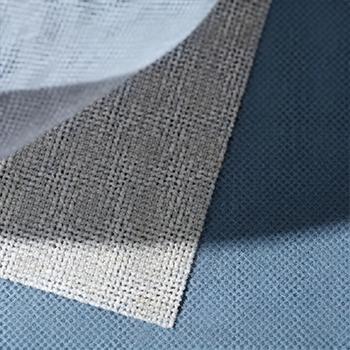
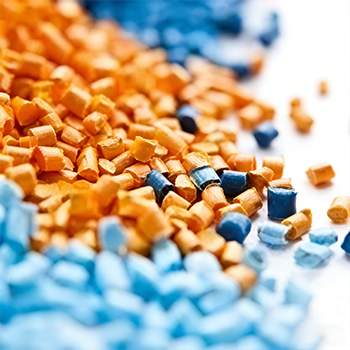
Excellent strength-to-weight ratio, impact resistance and weather resistance.
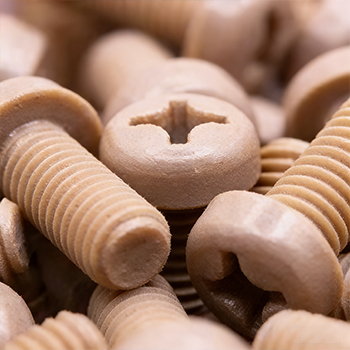
High performance thermoplastic, very high strength, heat and chemical resistance.
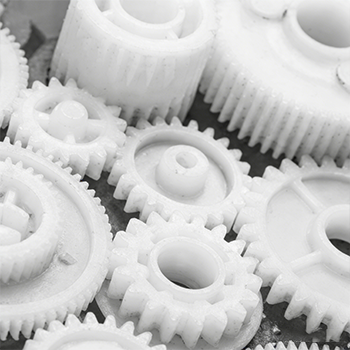
High stiffness + excellent wear resistance
High chemical and heat resistance + high wear and wear…
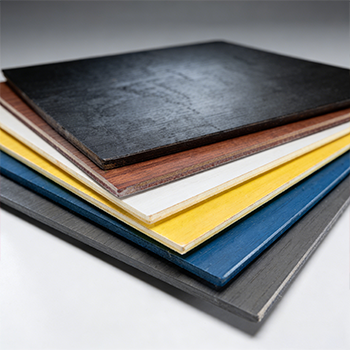
High stability + easy processing
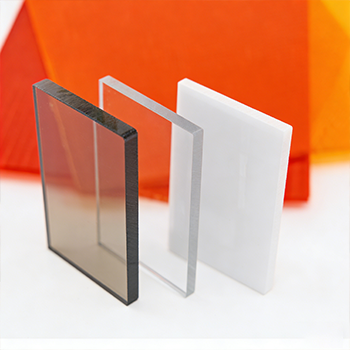
High impact resistance + high transparency
Surface finishing plays a critical role in achieving high-quality molded parts, improving mold durability, and ensuring smooth part release. RapidCalib offers multiple mold surface treatments tailored to different product requirements.
| Mirror Polishing (SPI Standards) : High-precision polishing that creates an ultra-smooth surface. Commonly used for optical components, transparent plastics, and high-gloss products. | Mold Texturing (VDI Standards): Controlled surface textures applied to mold cavities to produce matte, patterned, or decorative finishes on plastic parts. | Nitriding: A surface hardening treatment that increases wear resistance and extends mold life by forming a hardened layer on the mold surface. |
| DLC Coating (Diamond-Like Carbon): Provides extremely low friction and high hardness, improving mold durability and reducing wear during high-volume production. | TiN Coating (Titanium Nitride): A hard ceramic coating that enhances surface hardness and reduces friction, improving mold lifespan and part release performance. | Chrome Plating: A thin chromium layer applied to mold surfaces to improve corrosion resistance, surface hardness, and polishing quality. |
| PVD Coating: Physical vapor deposition coatings increase hardness and reduce adhesion, helping prevent material sticking during molding. | Sandblasting: Creates uniform matte finishes and improves surface texture before additional finishing processes. | EDM Surface Texture: Controlled electrical discharge machining patterns applied directly to mold cavities for specific surface effects. |
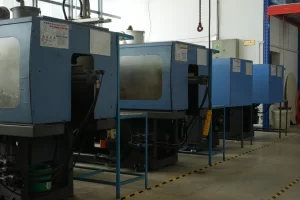
RapidCalib operates a modern mold manufacturing facility equipped with advanced production equipment, These capabilities allow us to manufacture complex molds with tight tolerances and high reliability.
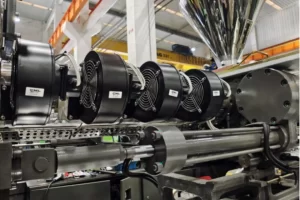
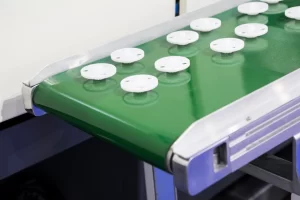
RapidCalib molds are widely used across multiple industries.

RapidCalib molds support the manufacturing of complex plastic housings, connectors, brackets, and internal structural components used in smartphones, wearable devices, home electronics, and various consumer electronic products.
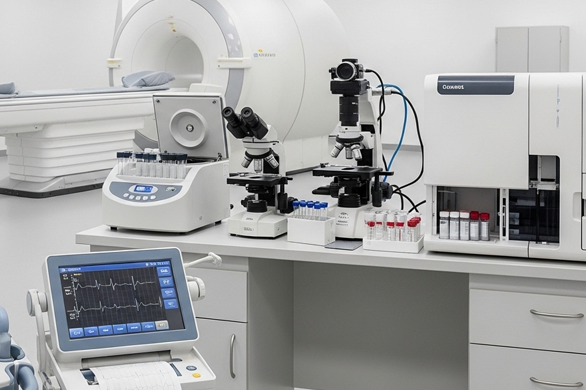
Injection molds for medical applications are designed to produce high-precision components with strict dimensional tolerances and excellent surface quality, commonly used for diagnostic equipment, medical housings, and disposable medical parts.

RapidCalib molds are used to produce automotive plastic components such as interior parts, connectors, housings, clips, and functional structural components that require durability, dimensional accuracy, and stable mass production performance.
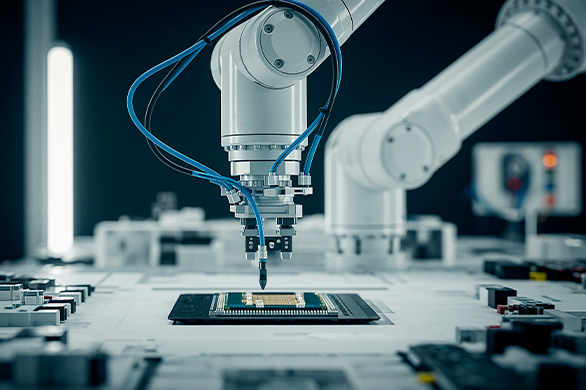
Industrial applications require durable plastic components for machinery, automation systems, and equipment housings. RapidCalib molds enable reliable production of precision parts that maintain performance under demanding working environments.
Each project is reviewed by engineers before production to reduce manufacturing risks.
Our engineers review part design and perform design-for-manufacturing analysis to optimize moldability.
We create detailed 3D mold designs including runner systems, cooling channels, and ejector structures.
Core and cavity components are machined using high-precision CNC machines, EDM, and wire cutting.
All mold components are assembled and adjusted to ensure accurate alignment and proper operation.
The mold undergoes trial runs to test filling, cooling, and product quality.
After testing and validation, the mold is optimized and delivered for production.
RapidCalib supports the entire product development cycle, from rapid prototyping and mold development to injection molding and full-scale production. Our integrated manufacturing capabilities help accelerate product validation, reduce development risks, and bring your ideas to market faster.

Custom injection molding achieves tolerance control around ±0.05mm, and supports ultra-precision manufacturing requirements as tight as ±0.01mm.

Advanced equipment enables processing of complex injection molding structures, producing customized parts that meet strict design and quality specifications.

Rapid quotation within 1 hour and delivery as fast as 3 days support efficient prototyping and small-batch manufacturing needs.

Strict process control and inspection standards ensure stable performance, high consistency, and reliable injection molding product quality.
