
What is 3D Printing (Additive Manufacturing)
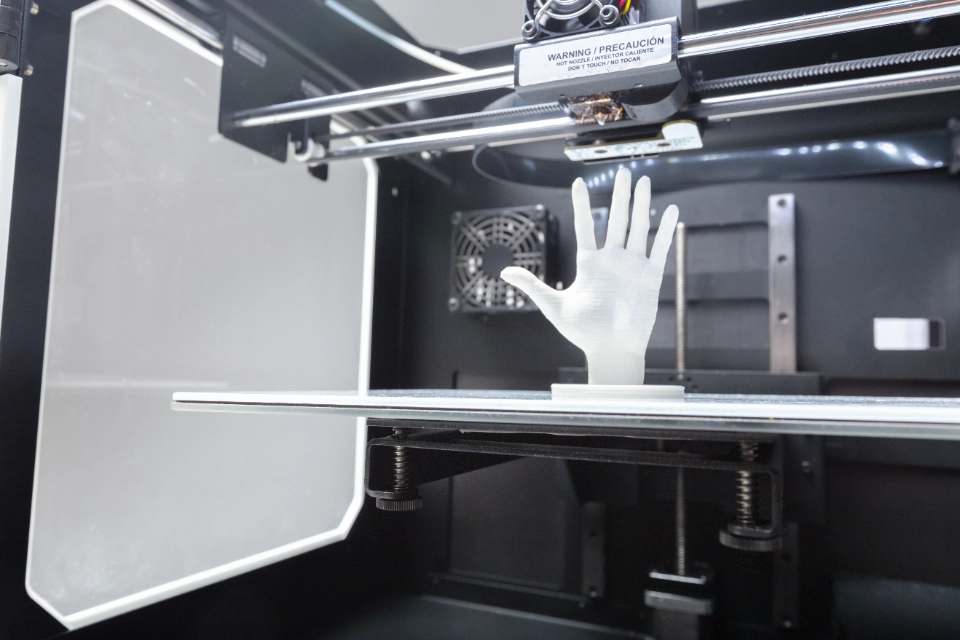
3D printing, also known as additive manufacturing, is a technology that builds parts layer by layer from digital CAD data. Unlike traditional subtractive methods, 3D printing creates complex geometries with minimal material waste, improved design flexibility, and faster production cycles.
RapidCalib offers a wide range of 3D printing processes to meet different part requirements, from rapid prototyping to functional production and end-use parts.
RapidCalib 3D Printing Capabilities
RapidCalib supports multiple additive manufacturing processes to meet diverse applications:
Case Showcase
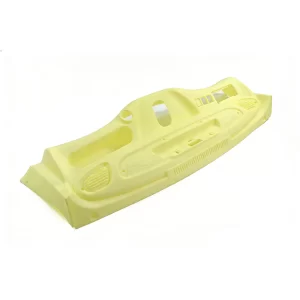
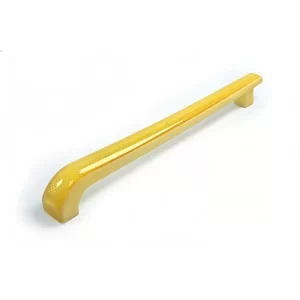
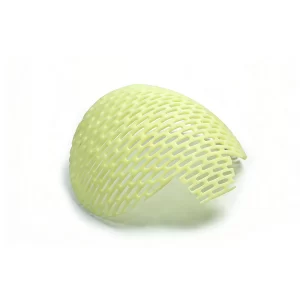
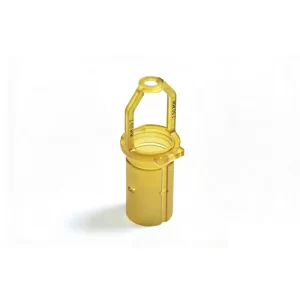
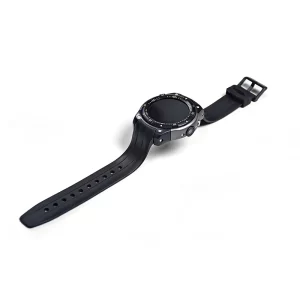
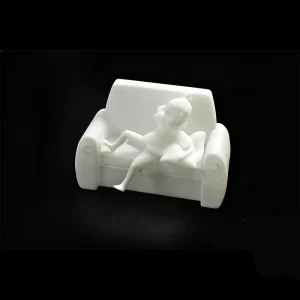
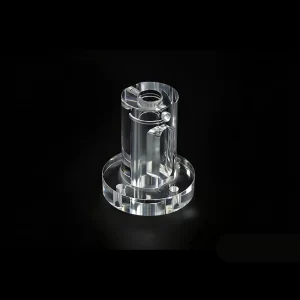
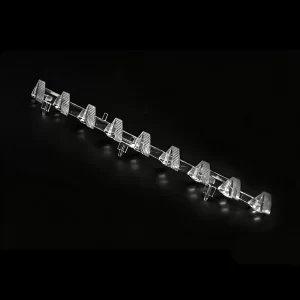
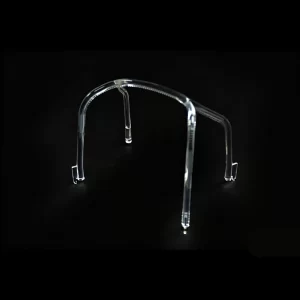
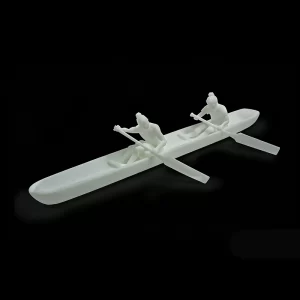
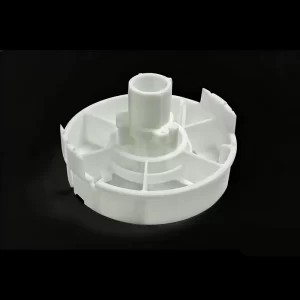
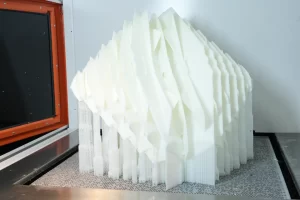
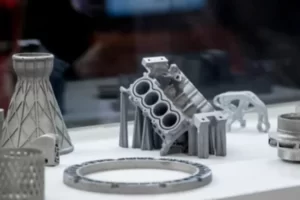
Our 3D printing portfolio reflects extensive experience in additive manufacturing for demanding industries. Each project demonstrates precise fabrication, advanced process control, and reliable production quality.
Materials for 3D Printing
RapidCalib provides a wide variety of printing materials to meet functional, mechanical, and aesthetic demands:

Resin Materials
good surface finish for concept and display models
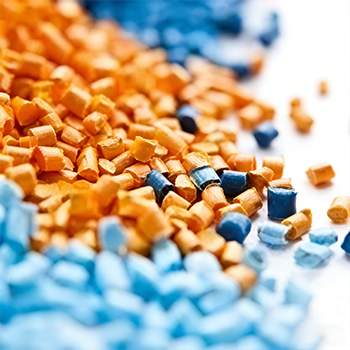
Nylon (PA12/PA11)
strong and flexible parts for functional prototypes
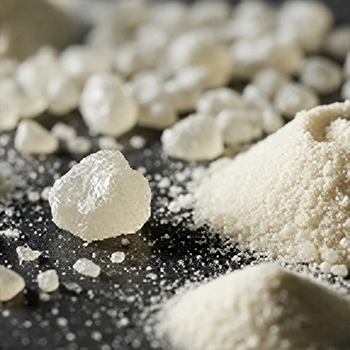
TPU Powder
Suitable for flexible and elastic components
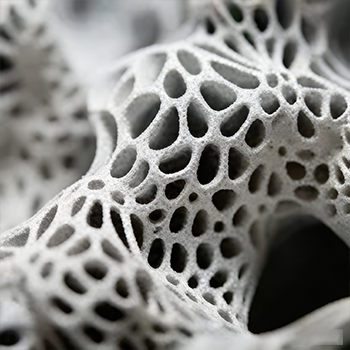
PLA
This material is easy to print and dimensionally stable.
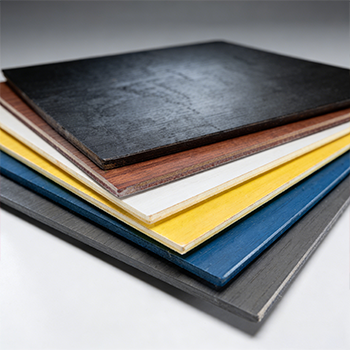
ABS
The material's impact resistance prototype
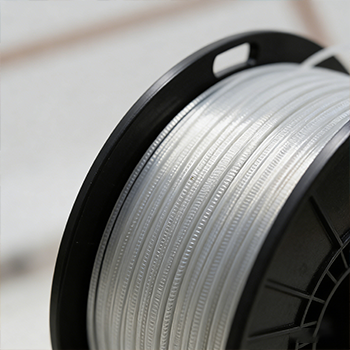
PETG
This material is high in strength and resistant to chemical corrosion.
Surface Finishing Options
Post-processing enhances the mechanical performance, appearance, and usability of 3D printed parts. RapidCalib provides multiple finishing solutions to meet different functional and aesthetic requirements.
| Brushing Finish: Creates linear texture patterns for decorative or industrial product surfaces. | Sanding & Polishing: Removes layer marks and improves surface smoothness for high-quality visual appearance. | Vapor Smoothing: Uses chemical vapor treatment to create a glossy and uniform surface, commonly applied to ABS and resin parts. |
| Painting & Coloring: Applies customized colors and protective coatings to meet brand design requirements. | Electroplating: Deposits thin metal layers such as nickel or chrome to improve conductivity, strength, and appearance. | Dyeing Treatment: Penetrates color into nylon or polymer parts for durable and uniform coloring. |
| Surface Sandblasting: Creates consistent matte texture and prepares parts for further coating or processing. | UV Coating: Adds UV-resistant protective layer to improve durability and environmental resistance. | Anodizing (for compatible materials): Forms a protective oxide layer on metal or hybrid components to improve corrosion resistance. |
| Powder Coating: Powder coating applies a thick, wear-resistant layer with excellent color and texture options, suitable for a variety of surfaces. | Electroplating: Electroplating deposits a thin metal layer onto parts, improving wear, corrosion resistance, and surface conductivity. | Black Oxidize: Black oxide is a conversion coating for ferrous metals that improves corrosion resistance and reduces light reflection. |
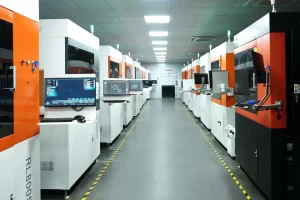
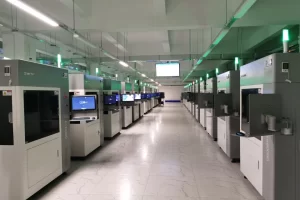
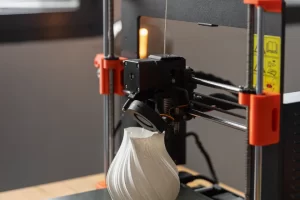
Our Machinery & Machining Showcase
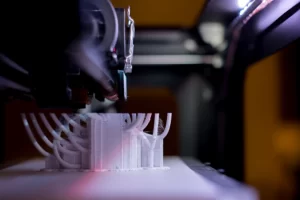
Discover our modern machine shop equipment and finished components, reflecting our commitment to precision, efficiency, and reliable production performance.
Industries We Serve

Consumer Electronics
RapidCalib manufactures electronic device housings, display prototypes, internal structural frames, and precision functional components to support consumer product design validation and engineering development.
Medical Device Parts
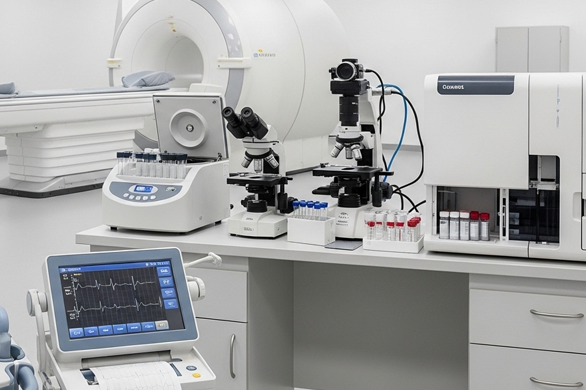
3D printing is used for medical prototype models, surgical planning guides, orthopedic structures, and customized biomedical components requiring high precision and strict quality control.
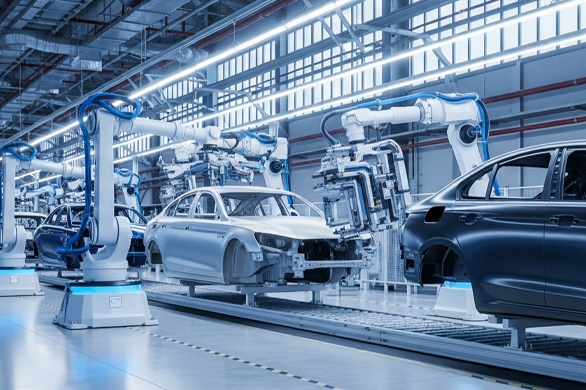
Automotive Precision parts
3D printing is widely used in automotive design verification, producing functional prototypes, airflow duct components, interior structural parts, and lightweight engineering models for performance testing.
Aerospace components
Additive manufacturing supports aerospace engineering by producing lightweight structural prototypes, aerodynamic components, complex geometry models, and functional parts requiring high dimensional accuracy and reliability.


New Energy
Additive manufacturing supports new energy applications by producing battery system structures, thermal management components, and lightweight energy equipment prototypes for technology development.
Why Choose RapidCalib
✔ Diverse Technology Portfolio
Supports multiple additive manufacturing technologies including SLA, SLS, FDM, MJF, and DLP to meet different precision part requirements.
✔ Material Flexibility
Provides a wide selection of polymer and composite materials suitable for functional prototypes and engineering applications.
✔ Fast Turnaround
Optimized production workflow enables rapid prototype manufacturing and efficient delivery for time-sensitive projects.
✔ Professional Engineering Support
Experienced engineers provide design optimization, DFM analysis, and manufacturability recommendations.
✔ Strict Quality Assurance
Comprehensive inspection and testing processes ensure dimensional accuracy, structural reliability, and stable performance.
Frequently Asked Questions
1. What is 3D printing?
2. What 3D printing services are available?
3. What materials are used in 3D printing?
4. What industries use 3D printing parts?
5. What are the advantages of 3D printing?
Discuss Your Project with Our Engineers

High Precision Standard
3D printing services deliver high-precision parts with tight tolerance control up to ±0.05mm, ensuring fine details and reliable dimensional accuracy.

Complex Design Manufacturing
Advanced 3D metal printing technology enables production of complex structures, internal channels, and intricate geometries that are difficult with traditional methods.

Engineering Technical Support
Professional engineering support is available throughout the project, assisting with design optimization, material selection, and production troubleshooting.

Rapid Custom Production
3D printing enables fast prototyping and flexible small-batch manufacturing while maintaining stable quality and efficient production performance.
